The Ultimate Guide To Rocket Companion Planting
The Ultimate Guide to Rocket Companion Planting
Arugula, also known as rocket, is a leafy green vegetable that is known for its peppery flavor. It is a relatively easy plant to grow, and it can be harvested in as little as 4 weeks. Arugula is a good source of vitamins A, C, and K, and it can be eaten raw in salads or cooked.
One of the best ways to grow arugula is to use companion planting. Companion planting is the practice of planting certain types of plants together in order to benefit each other. There are many different companion plants that can be grown with arugula, but some of the best include:
- Basil: Basil is a natural insect repellent, and it can help to keep pests away from arugula. It also has a strong aroma that can help to mask the peppery flavor of arugula.
- Carrots: Carrots and arugula have different root systems, so they will not compete for water or nutrients. Carrots can also help to shade arugula during hot weather.

- Cucumbers: Cucumbers and arugula both need full sun, so they can be planted together in the same area. Cucumbers can help to attract pollinators, which will help to improve the yield of both plants.

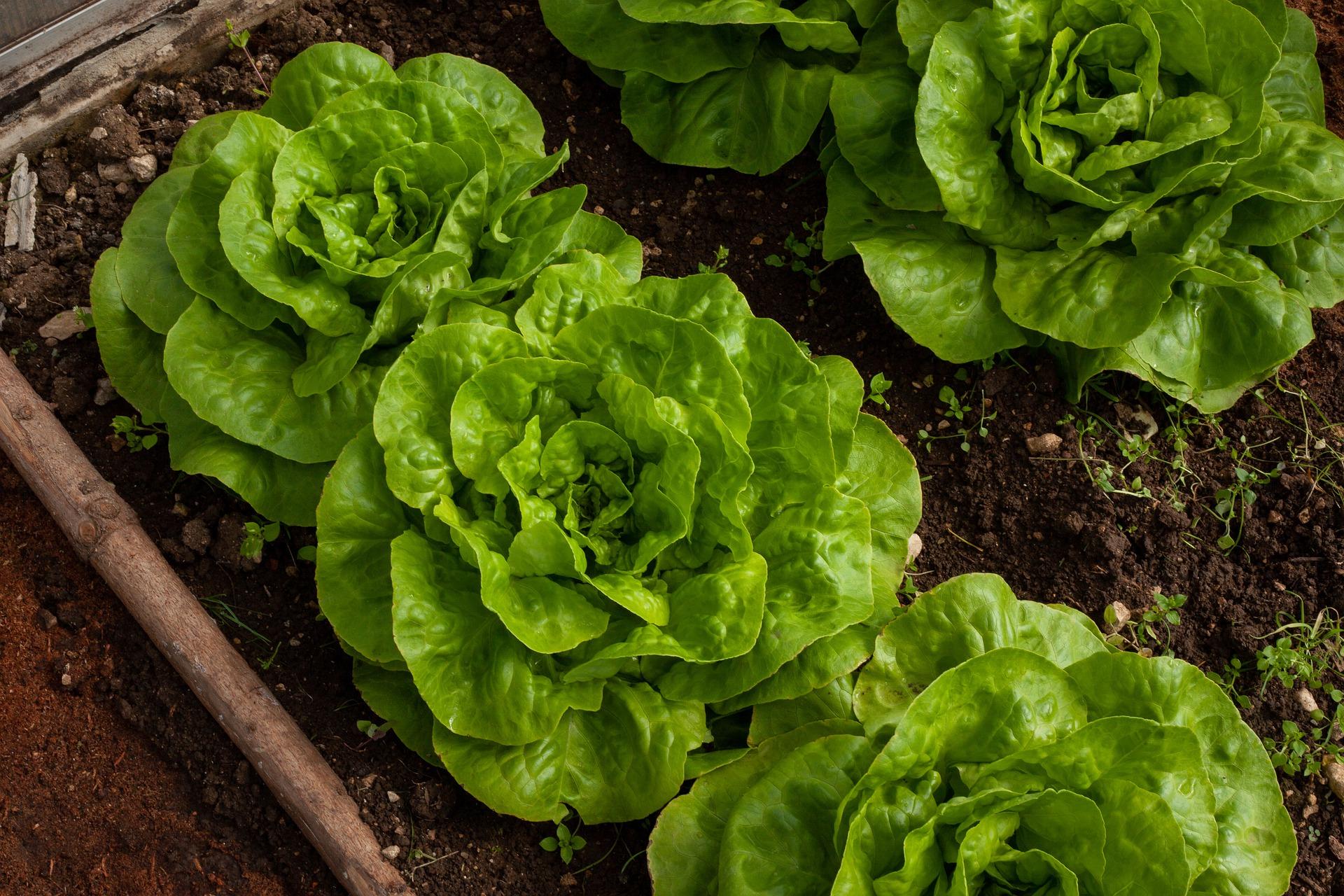
- Lettuce: Lettuce and arugula are both cool-season crops, so they can be planted together in the spring or fall. Lettuce can help to shade arugula during hot weather, and it can also help to attract beneficial insects.
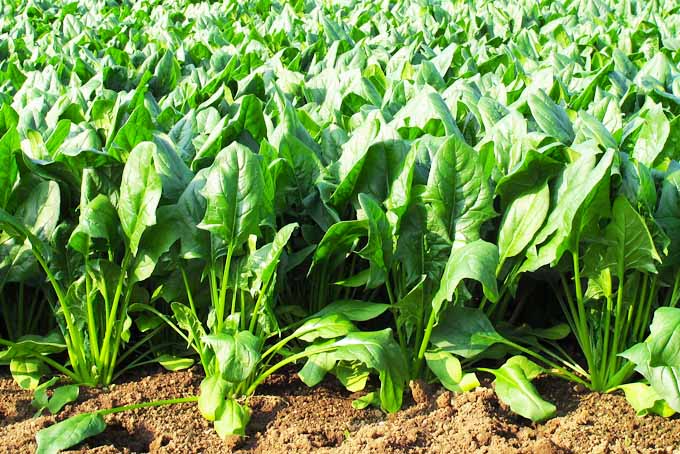
- Spinach: Spinach and arugula have similar growing requirements, so they can be planted together in the same area. Spinach can help to shade arugula during hot weather, and it can also help to attract beneficial insects.
In addition to these companion plants, there are a few plants that should not be planted near arugula. These include:
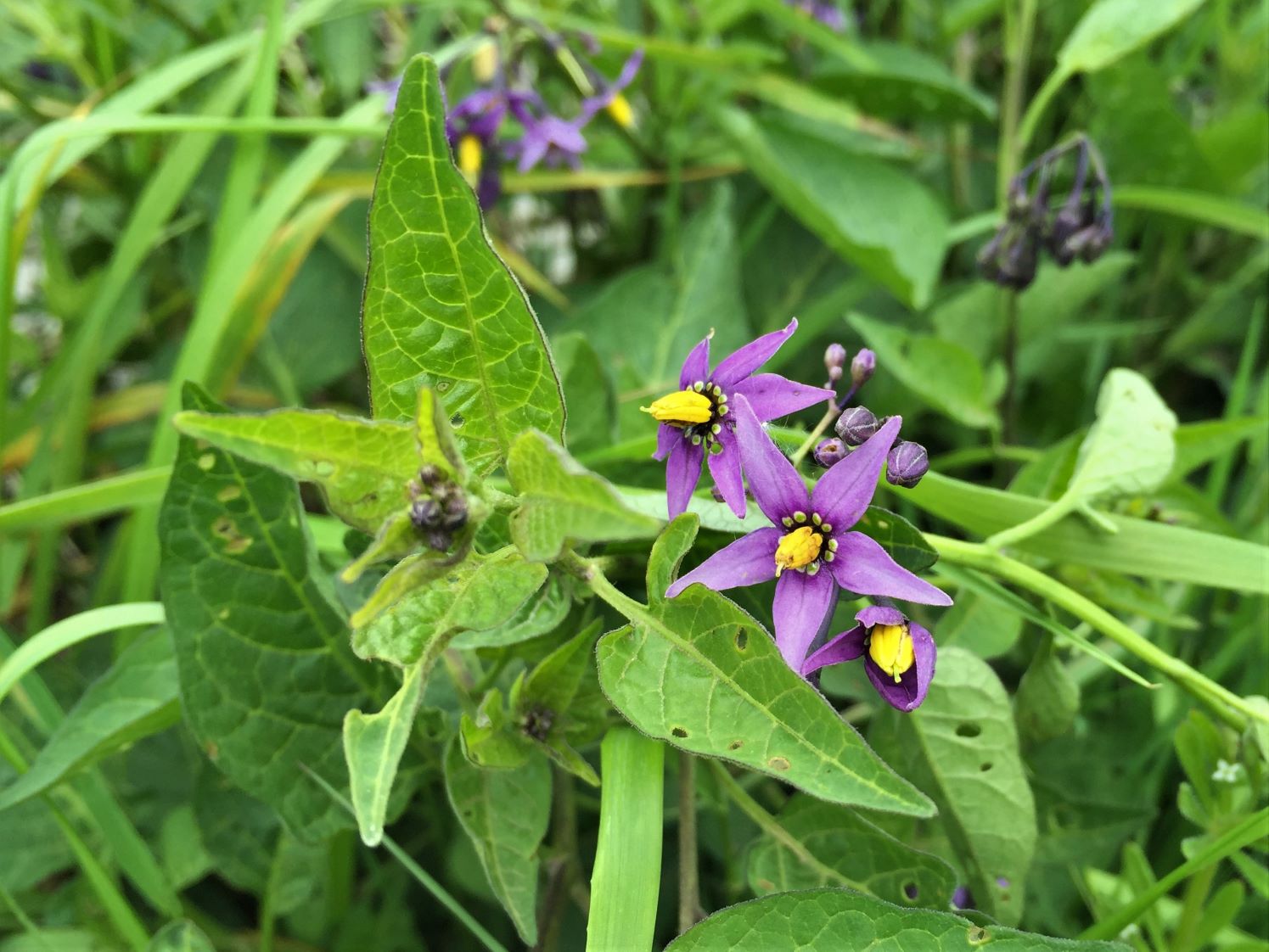
- Nightshades: Nightshades, such as tomatoes, peppers, potatoes, and eggplant, can compete with arugula for water and nutrients. They can also attract pests that can damage arugula.
- Onions: Onions can release a chemical that can stunt the growth of arugula.

- Beans: Beans can produce a toxin that can damage the roots of arugula.

By planting arugula with the right companion plants, you can help to improve its growth and productivity. You can also help to protect it from pests and diseases.
[MAIN CONTENT]
Here are some additional tips for companion planting arugula:
- Plant arugula in full sun. It will not do well in shade.
- Plant arugula in well-drained soil. It does not tolerate wet feet.
- Sow arugula seeds directly in the ground. They should be sown about 1/4 inch deep and 1 inch apart.
- Thin arugula seedlings to 2-3 inches apart once they have germinated.
- Water arugula regularly, especially during hot weather.
- Harvest arugula leaves when they are young and tender.
[CONCLUSION]
Companion planting is a great way to improve the growth and productivity of arugula. By planting arugula with the right companion plants, you can help to protect it from pests and diseases, and you can also help to improve its flavor.
I hope this guide has been helpful. If you have any questions, please feel free to leave a comment below.
Rockets are a popular garden plant, but did you know that they can be even more productive when planted with companion plants? Companion plants are those that benefit each other when grown together. For example, some companion plants for rockets can help to deter pests, attract beneficial insects, or improve the soil quality.
If you're interested in learning more about rocket companion plants, I recommend visiting Gardenia Inspiration. This website has a comprehensive list of companion plants for rockets, as well as information on the benefits of companion planting.
FAQ of rocket companion plants
Question 1: What are companion plants?
Answer: Companion plants are plants that are grown together in a way that benefits both plants. They can help each other by attracting beneficial insects, deterring pests, improving soil quality, or providing shade.
Question 2: What are some good companion plants for rocket?
Answer: Some good companion plants for rocket include lettuce, celery, onions, basil, and calendula. These plants help each other in a variety of ways. For example, lettuce helps to deter pests from rocket, while celery helps to improve the soil quality around rocket.
Question 3: How do I plant rocket companion plants?
Answer: When planting rocket companion plants, it is important to consider the spacing requirements of each plant. For example, rocket needs about 12 inches of space, while lettuce only needs about 6 inches of space. You should also plant the companion plants in a way that takes advantage of their beneficial effects. For example, you could plant lettuce around the edge of your rocket patch to help deter pests.
Question 4: What are some common problems with rocket companion plants?
Answer: Some common problems with rocket companion plants include pests, diseases, and nutrient deficiencies. Pests that can attack rocket include aphids, cabbageworms, and slugs. Diseases that can affect rocket include downy mildew and black rot. Nutrient deficiencies that can occur in rocket include nitrogen, phosphorus, and potassium deficiencies.
Question 5: How can I troubleshoot problems with rocket companion plants?
Answer: If you are having problems with your rocket companion plants, there are a few things you can do to troubleshoot the problem. First, identify the problem. Is it a pest, disease, or nutrient deficiency? Once you have identified the problem, you can take steps to correct it. For example, if you have a pest problem, you can use insecticidal soap or neem oil to control the pests. If you have a disease problem, you can remove the affected plants and treat the remaining plants with a fungicide. If you have a nutrient deficiency, you can amend the soil with the appropriate nutrients.
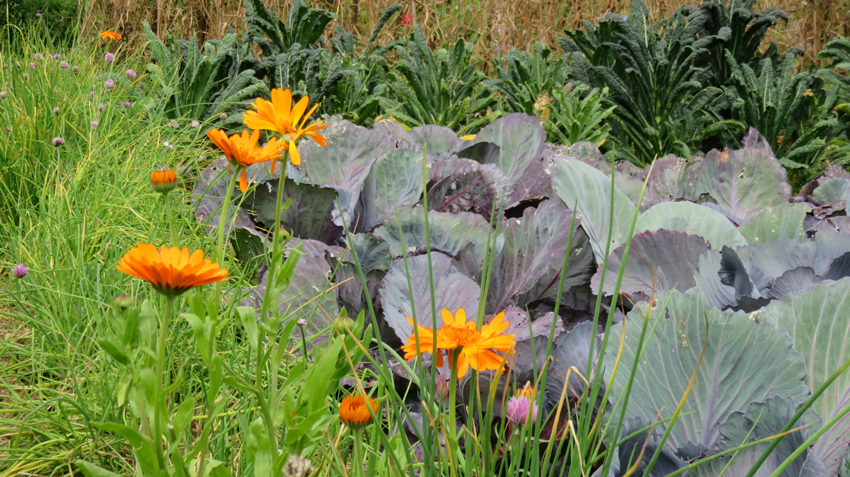
Image of rocket companion plants
- Lettuce: Lettuce is a good companion plant for rocket because it helps to deter pests such as aphids and slugs. It also helps to suppress weeds and improve the soil structure.
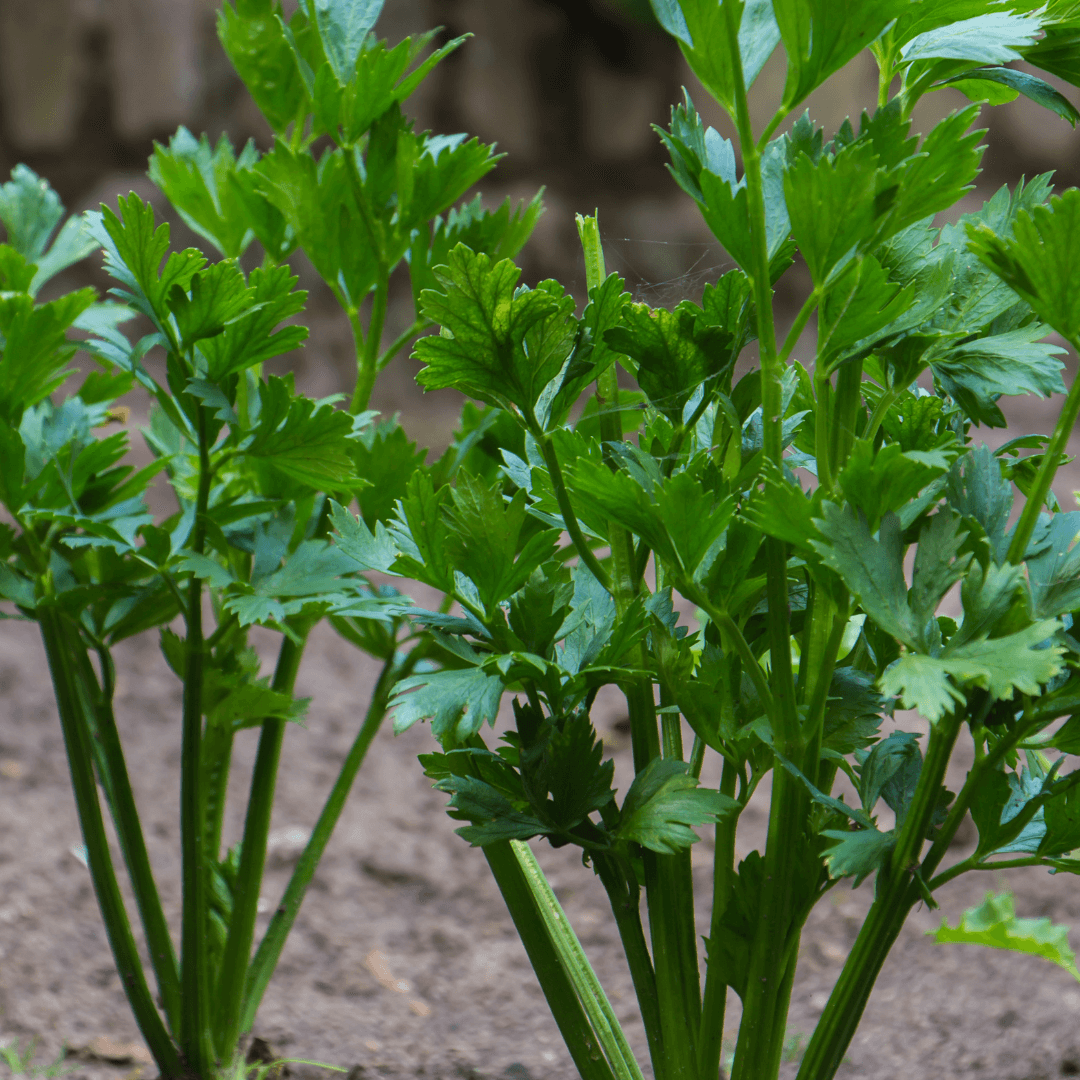
- Celery: Celery is another good companion plant for rocket. It helps to attract beneficial insects, such as ladybugs and hoverflies, which help to control pests. Celery also helps to improve the flavor of rocket.
- Onions: Onions are a good companion plant for rocket because they help to repel pests such as carrot fly and root maggot. They also help to improve the flavor of rocket.
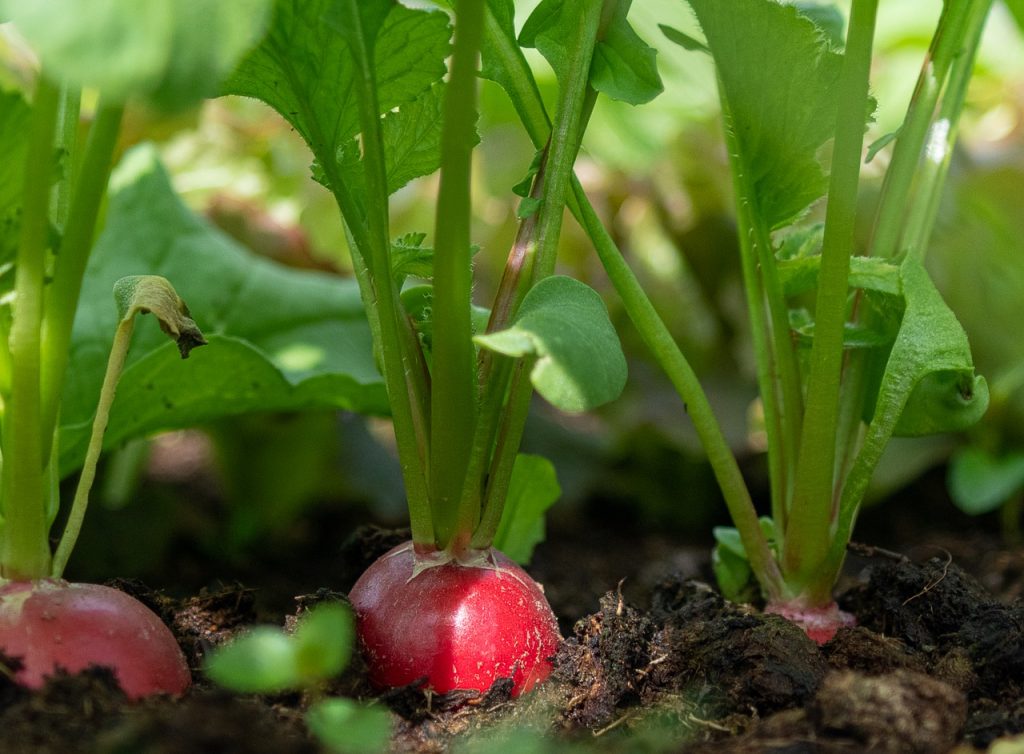
- Basil: Basil is a good companion plant for rocket because it helps to repel pests such as aphids and whiteflies. It also helps to improve the flavor of rocket.
- Calendula: Calendula is a good companion plant for rocket because it helps to deter pests such as aphids and spider mites. It also helps to improve the flavor of rocket.

Post a Comment for "The Ultimate Guide To Rocket Companion Planting"